Your Search Traffic Is Down 33% — Here's How to See It in Search Console
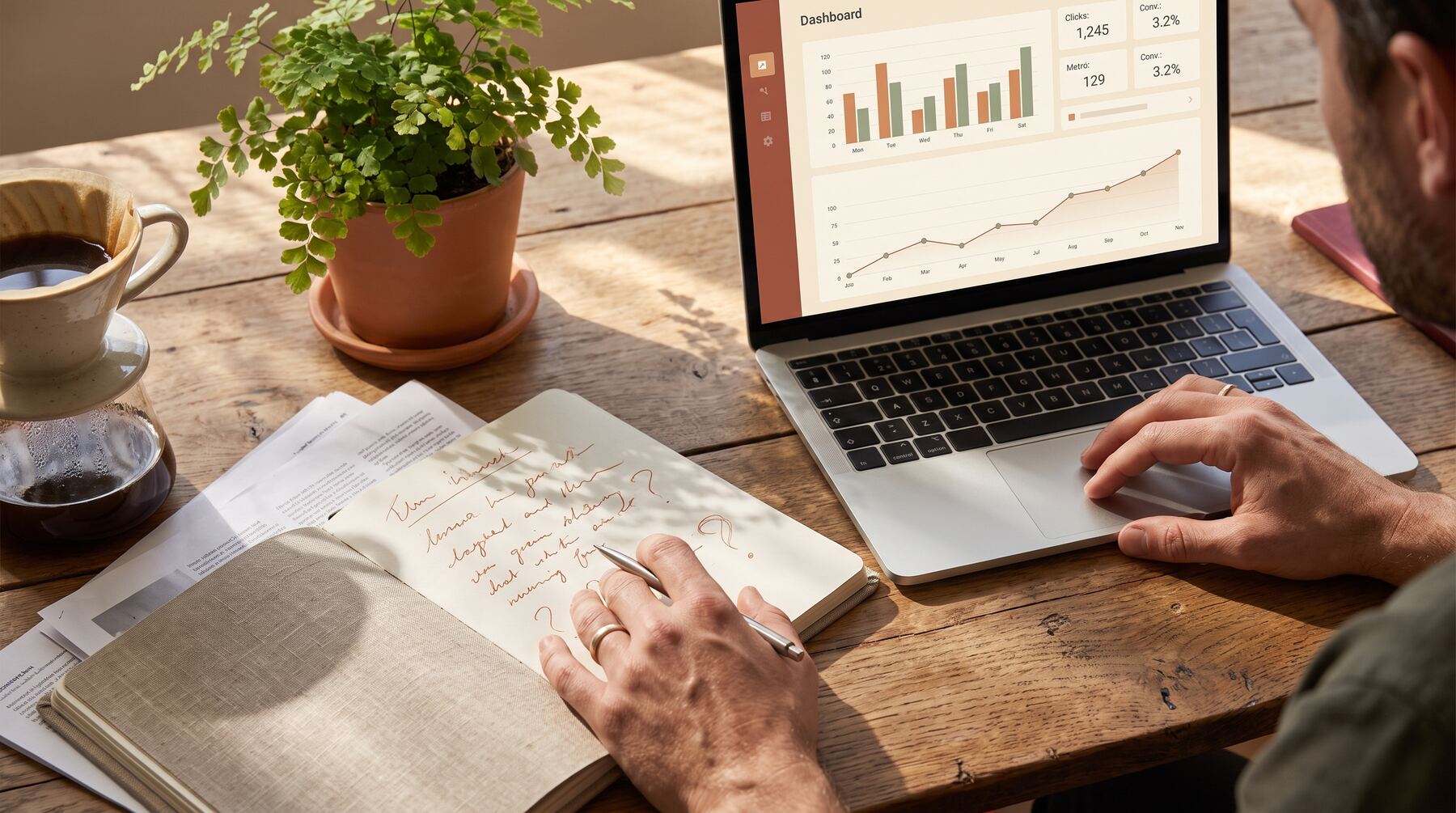
Google added Search Generative AI reports to Search Console on 3 June 2026. For the first time, owners can see exactly how much traffic AI Overviews are absorbing — and which pages have a chance to claw it back.
Paul Saunders
Founder, Smash It Marketing
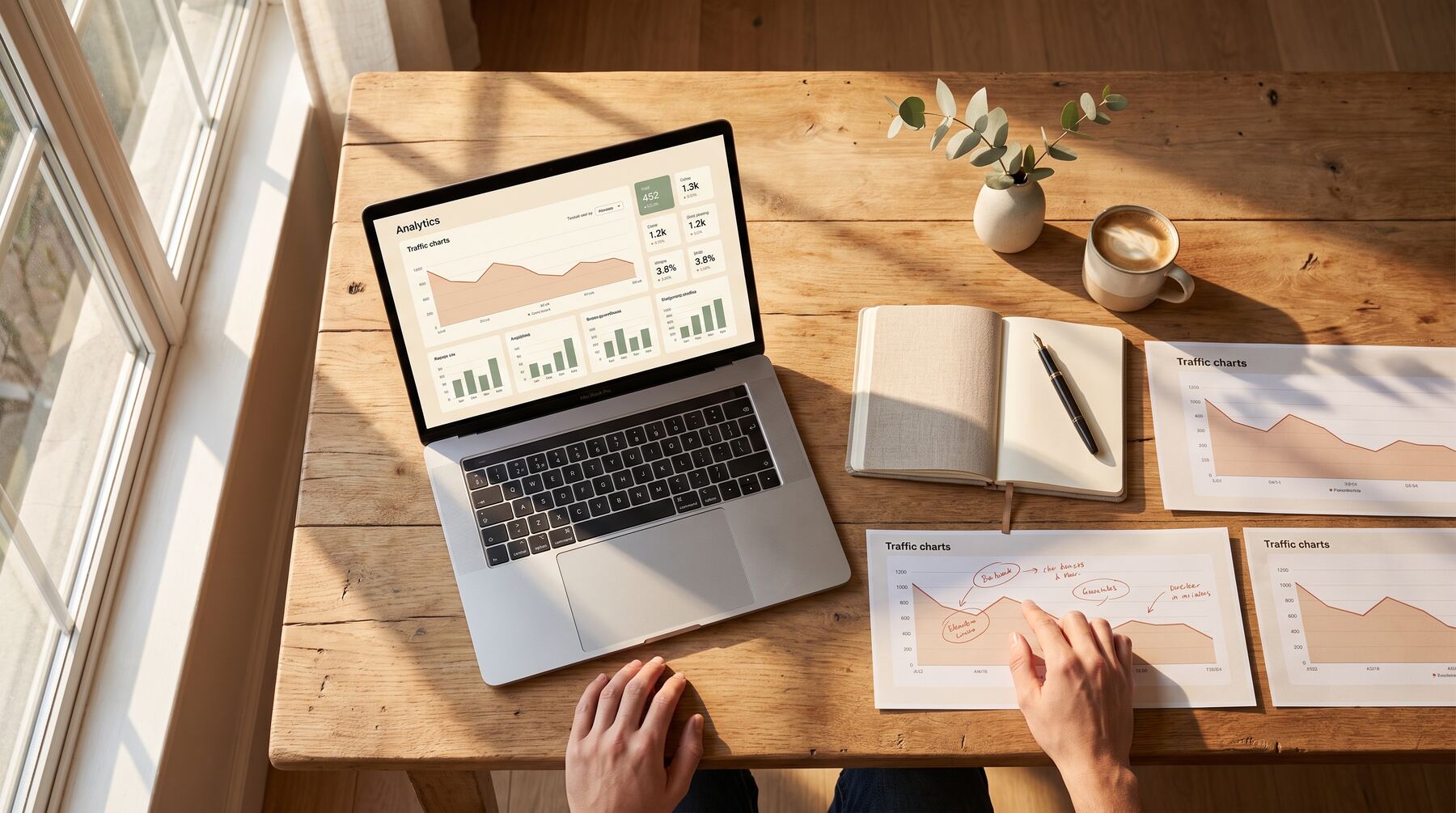
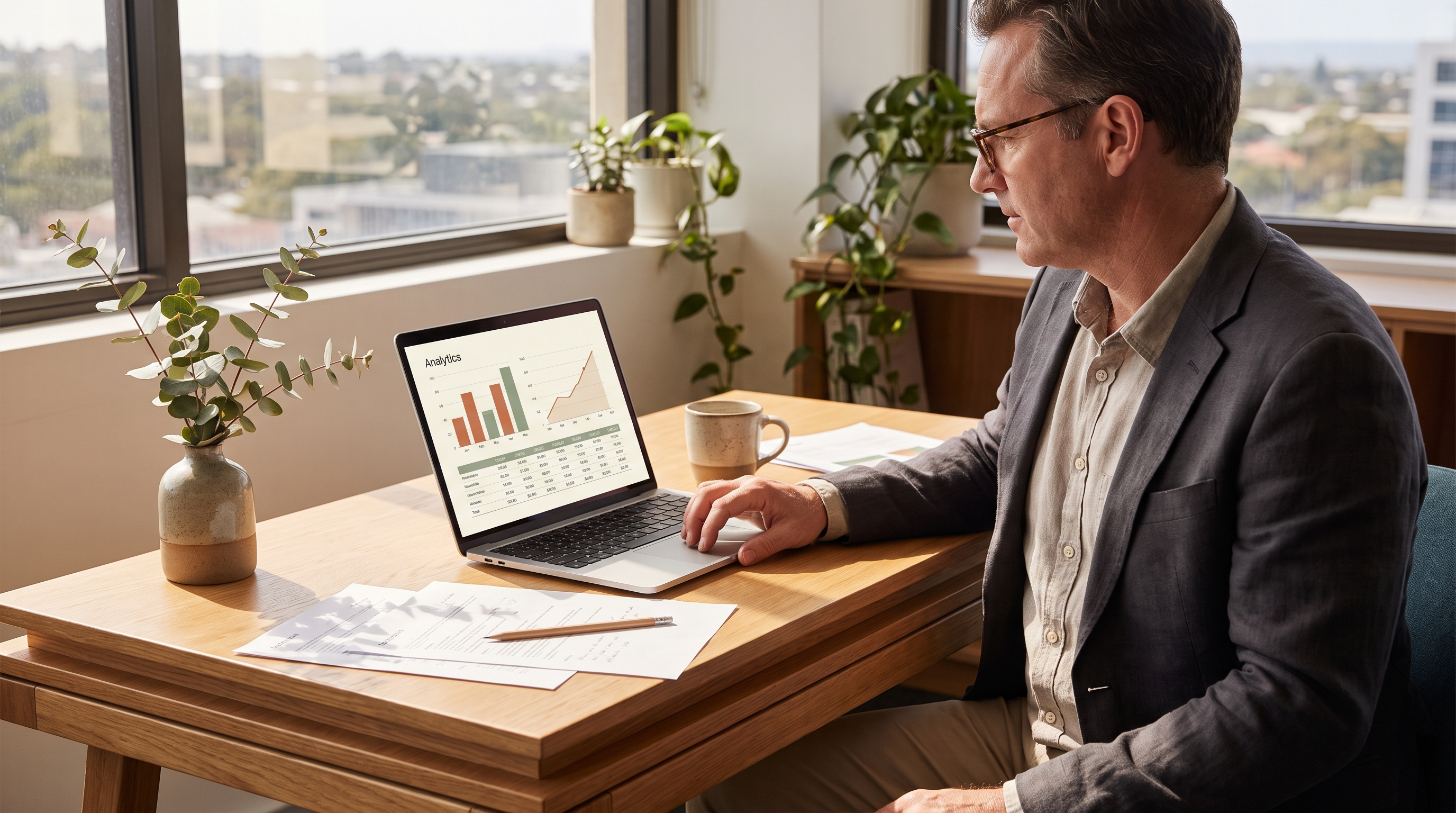
The number that should have been a wake-up call for every Australian small business in 2026 finally got a home in Search Console. On 3 June, Google quietly launched its Search Generative AI performance reports — the dashboard that shows you, in your own account, exactly how much of your search traffic is being intercepted by AI Overviews before users get the chance to click through.
Most owners haven't logged in yet. They should. The Reuters Institute Trends 2026 report, drawing on Chartbeat data, recorded a 33% year-on-year drop in Google Search referrals to publishers. Ahrefs measured a 58% click-through rate reduction on queries where AI Overviews appear. Until last week, those numbers were industry averages with no way to map them to your specific site. The new reports change that.
This is the post about what to look at, what to expect to see, and the five fixes that genuinely claw the traffic back.
What the New Reports Actually Show
The Search Generative AI section of Search Console now appears as a separate performance view alongside the standard Search results report. Three numbers matter most.
The first is the AI impression count — how many times your site appeared inside an AI Overview answer in the reporting window. This is the equivalent of a citation. It's the number that proves Google's AI considers you a source. Sites with zero AI impressions on commercial queries are invisible in the dominant new search surface.
The second is the AI click-through rate — the percentage of those AI impressions that produced a click to your site. The benchmark across categories is roughly 1.3% to 2.4% — far lower than traditional snippets, but still meaningful because of the volume. The pages with strong CTR here are usually the ones with answer blocks AI can lift cleanly.
The third is the AI versus traditional traffic comparison — a side-by-side view that lets you see, for any query, how much of the impression volume is going to the AI Overview rather than the ten blue links. Queries where AI Overviews appear on 90% or more of impressions and AI CTR is below 1% are the queries where the traffic has effectively been replaced.
A fourth, more subtle metric is the AI Mode interaction view. If you're being cited inside the new Google AI Mode conversational interface, this is where you'll see it. AI Mode crossed a billion monthly users in May 2026. The impressions are real even when the click numbers stay low.
What You're Likely to See
The first pattern is the informational query collapse. Pages that used to rank for "what is X" or "how do I Y" queries lost most of their organic traffic to AI Overviews between January and May. Search Console will now show you which specific queries are absorbed. The list is usually longer than owners expect.
The second pattern is the commercial query rebound. Pages targeting "best X near me" or "X services Perth" still receive AI impressions, but the click-through is higher than informational queries because the user genuinely needs to choose a provider. These are the queries worth fighting for.
The third pattern is the citation imbalance. Most SMBs find they're being cited inside AI Overviews for the queries they don't really want to win — informational long-tail — and not cited at all for the queries they need to win — local commercial. That mismatch is the work.
The Five Fixes That Claw Traffic Back
Add the answer block. Below the H1 on every important page, write 50 words in plain language: what the business does, who it serves, where (Perth and Western Australia, in your case), and the one distinguishing fact. Bold the business name and the city. This is the snippet AI lifts verbatim into the AI Overview. Without it, the AI assembles a generic summary from your page's middle paragraphs, and your business name often doesn't appear in the citation.
Get three brand mentions outside your own site in 30 days. Real customer testimonials on relevant subreddits, a guest spot on a creator or podcast in your category, a quote in a local publication or industry blog. The Ahrefs 75,000-brand study put the correlation between YouTube mentions and AI visibility at 0.737 — the strongest signal of any. There's more context in the AI visibility gap piece on why these off-site signals now outweigh traditional rankings. The shape of recovery is rarely on-site work. It's off-site presence.
Refresh Google Business Profile weekly. Local-intent searches still only trigger AI Overviews about 7% of the time, which makes GBP disproportionately valuable for SMBs. Weekly posts, two new photos, every review answered, one new Q&A added by you. The cumulative effect on local AI visibility over 90 days is significant. Activity matters more than polish.
Add cite-worthy data. A statistic with a source. A short table of comparative numbers. An original observation from your own customer data. Pages that include a specific number AI can cite are roughly 30% more likely to appear inside AI Overviews than pages of similar length without one. The number doesn't need to be earth-shaking. It needs to be specific, sourced, and verifiable.
Audit and update old pages. AI Overviews cite recently-refreshed pages disproportionately — 60% or more of citations on commercial queries come from pages updated in the last six months, 83% in the last twelve. If your top-five service pages haven't been touched in over a year, the dates alone are working against you. A refresh — updated stats, updated examples, updated screenshots, updated meta description — moves the needle without rewriting the page from scratch.
If the broader context on why ChatGPT may not know your business or the gap between traditional rankings and AI visibility is useful background, both still hold up.
The Realistic Expectation
The 100% recovery promise is the one to be wary of. The most honest framing is that AI Overviews permanently changed the search funnel. The 10-blue-links era is over for informational queries, and a significant portion of the click traffic that used to flow to organic results is now answered inside the AI box. What the five fixes above recover is the citation-driven click — the click that happens when a user sees your business inside the AI Overview and chooses to dig deeper.
Over a quarter, the realistic target is somewhere between 30% and 50% recovery of the lost traffic. Beyond that, the second-order effect is more useful: brands cited inside AI Overviews earn roughly 120% more clicks per impression than uncited brands on the same query. Citation isn't the new ranking — it's the new everything.
Open Search Console. Click into the new Search Generative AI view. Note the three or four queries with the worst impression-to-click ratio. Apply the five fixes to the pages that target them. Check back in 60 days.
If you'd like a closer look at how AI search is reshaping discovery for Australian SMBs, the territory is still moving fast enough that a quarterly check-in is the minimum reasonable cadence. The June update is the one to make sure you have on file. The September update — when Google's agentic booking and calling features hit Australia — will be the one that reshuffles the deck again.
For now: the new report, three queries, five fixes. That's the start.
Related services: AI readiness & AEO for visibility inside AI answers, and SEO built on real demand for the queries that convert.
Paul Saunders
Founder of Smash It Marketing — a boutique, AI-first agency pairing 18 years of Google Ads with an AI-first service suite. Book a call.