Vibe Coding: Building Software by Describing What You Want
You don't need to know programming languages anymore. Describe what you want to build, and AI writes the code. Welcome to vibe coding.
Paul Saunders
Founder, Smash It Marketing

For decades, a clear line separated people who could build software from people who couldn't.
On one side: developers who spent years learning programming languages, frameworks, and technical concepts.
On the other side: everyone else. People with ideas but no way to build them. Dependent on hiring developers or learning to code themselves.
That line is blurring.
What Is Vibe Coding?
Vibe coding is building software by describing what you want rather than writing code yourself.
Instead of:
function calculateTotal(items) {
  return items.reduce((sum, item) => sum + item.price * item.quantity, 0);
}
You write: "Create a function that takes a list of items and calculates the total price based on each item's price and quantity."
AI translates your description into working code.
The "vibe" is knowing what you want to build without knowing how to build it technically.
How It Actually Works
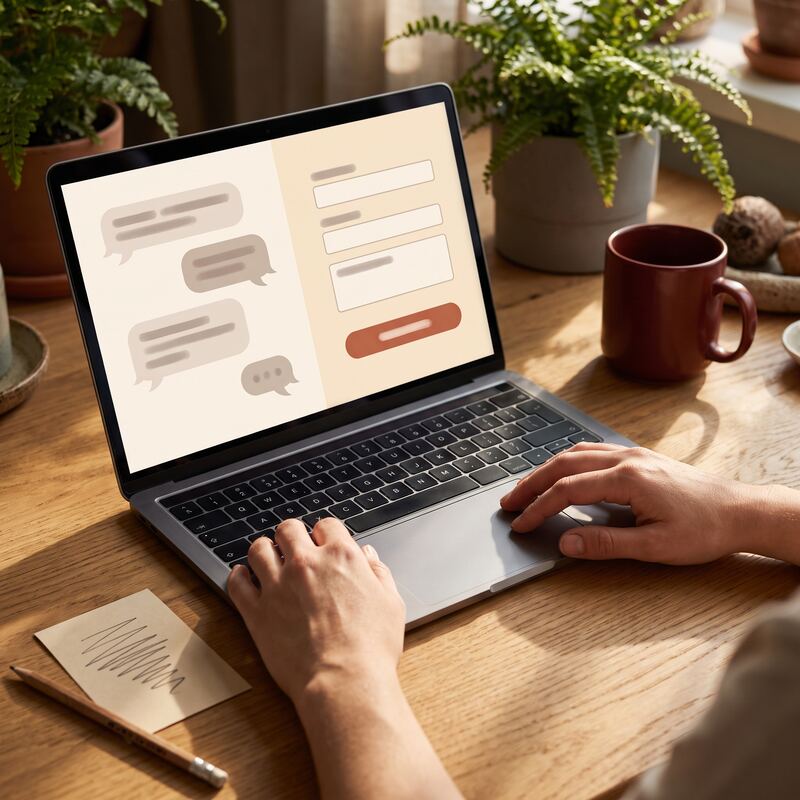
The workflow typically looks like:
Step 1: Describe what you want "I need a web form that collects name, email, and message, then sends me an email notification."
Step 2: AI generates code The assistant produces HTML, CSS, and JavaScript (or Python, or whatever's appropriate).
Step 3: Test and iterate Try the code. If something's not right, describe the problem. "The form submits but I don't see the email. Can you add error handling?"
Step 4: Refine until done Continue the conversation until the result matches your vision.
What Non-Technical People Can Build
Vibe coding has enabled non-programmers to create:
Internal Tools
- Customer databases
- Project trackers
- Approval workflows
- Reporting dashboards
Web Applications
- Landing pages
- Simple web apps
- Customer portals
- Booking systems
Automation
- Email processing
- Data transformation
- Scheduled tasks
- Integration scripts
Prototypes
- Proof of concept applications
- MVP features
- Design validations
- User testing versions
The Skill Stack Shift
Traditional software development required:
- Programming language proficiency
- Framework knowledge
- System architecture understanding
- Database design
- DevOps and deployment
Vibe coding requires:
- Clear problem articulation
- Logical thinking
- Patience for iteration
- Basic testing ability
- Understanding of what's possible
Notice: technical skills diminish; communication and problem-solving skills matter more.
Limitations to Understand
Vibe coding isn't magic. It has boundaries:
Complex systems need expertise: Enterprise-scale software still requires professional developers.
Security considerations: AI-generated code can contain vulnerabilities if you don't know what to check.
Debugging skills help: When things go wrong, some technical understanding aids problem-solving.
Maintenance matters: Code you can't understand is code you can't maintain.
Context limitations: AI can lose track in very long conversations or complex projects.
Getting Started
Choose Your Tools
Claude or ChatGPT: Good for explaining concepts and generating code snippets.
Cursor IDE: Purpose-built for AI-assisted coding. Excellent for complete projects.
Replit: Online environment with AI assistance. No setup required.
GitHub Copilot: Integrates into existing coding environments.
Start Simple
Your first project should be:
- Small in scope
- Clearly defined
- Low stakes
- Something you actually need
"Build a personal expense tracker" is better than "Build the next Uber."
Learn to Describe Clearly
Good vibe coding prompts include:
- What the end result should do
- What inputs are expected
- What outputs are needed
- Any specific requirements or constraints
"Create a web page that displays my business hours" is vague.
"Create a simple web page showing business hours (9-5 Monday-Friday, closed weekends), with my phone number and email, styled in blue and white to match my brand" is better.
Iterate Relentlessly
Expect the first attempt to be imperfect. The power is in refinement:
- "The button isn't centred"
- "Can you make the text larger on mobile?"
- "Add validation so email must be provided"
- "The form doesn't work—here's the error message"
Each exchange improves the result.
Business Applications
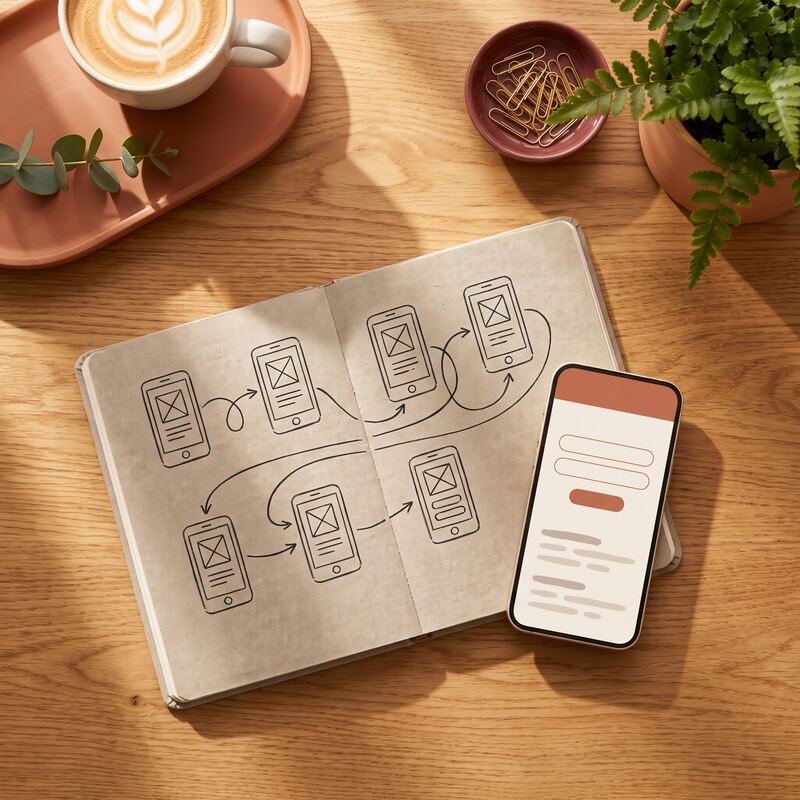
Faster internal tool creation: Build what you need without waiting for IT.
Prototype validation: Test ideas before investing in professional development.
Custom automation: Create specific solutions for specific problems.
Cost-effective MVPs: Launch products with lower initial investment.
Reduced developer dependency: Handle simple changes without external help.
The New Division
The software development world is stratifying:
Enterprise development: Large systems still need professional teams.
Professional applications: Important customer-facing software benefits from experienced developers.
Internal tools and automation: Increasingly buildable by non-technical people with AI assistance.
Prototypes and MVPs: Domain experts can build initial versions themselves.
Where does your project fit?
Getting Professional Help
Some projects start with vibe coding and then need professional scaling:
- The prototype works but needs to handle real load
- Security requirements exceed AI-generated defaults
- Integration with enterprise systems adds complexity
- Maintenance and updates require sustained attention
Knowing when to level up—and finding the right help—is part of the skill.
Curious about what you could build with AI assistance? Our AI solutions team helps businesses identify automation opportunities and build tools that solve real problems. Contact us to explore possibilities.
Related services: AI consulting in Perth for custom workflows, and hands-on AI training in Perth for your team.
Paul Saunders
Founder of Smash It Marketing — a boutique, AI-first agency pairing 18 years of Google Ads with an AI-first service suite. Book a call.